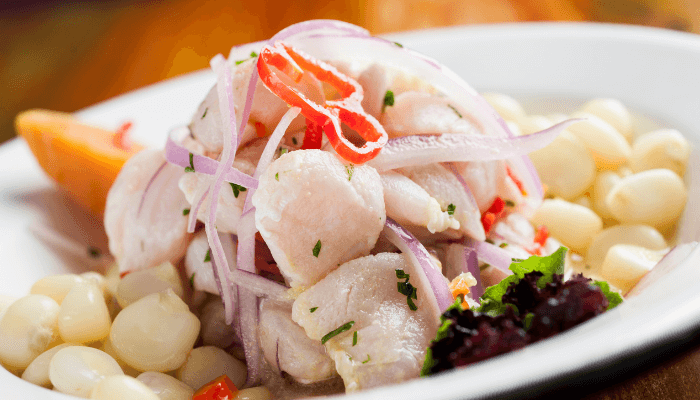
Peruvian Ceviche: A Recipe to Make Your Taste Buds Sing (in English!)
¡Hola, amigos! Ready to embark on a culinary adventure that will transport you straight to the sun-drenched shores of Peru? Forget bland, boring meals – we're diving headfirst into the vibrant, zesty world of Peruvian ceviche! This isn't just a recipe; it's a celebration of fresh seafood, bright citrus, and a whole lotta flavor. Get ready to impress your friends and family (and maybe even yourself!) with this authentic Peruvian ceviche recipe, explained in easy-to-follow English. Prepare for a taste explosion!
Understanding the Magic: What Makes Peruvian Ceviche So Special?
Peruvian ceviche isn't just "fish in lime juice." Oh no, my friend. It's a carefully orchestrated symphony of flavors and textures, a culinary dance that's been perfected over centuries. The key lies in the freshness of the ingredients. We're talking about the freshest fish you can get your hands on, ideally caught that very day. The lime juice (or limón, as they call it in Peru) is crucial; its acidity "cooks" the fish, creating a delicate, almost melt-in-your-mouth texture. But it's not just about the fish and the lime – the magic comes from the perfect balance of other ingredients, creating a complex and unforgettable taste experience.
The Role of Ají Peppers: A Spicy Secret
Let's talk about ají peppers. These fiery little guys are the backbone of Peruvian cuisine, adding a vibrant kick that balances the acidity of the lime. Different ají varieties offer unique flavor profiles, so don't be afraid to experiment! We'll cover some popular choices later, but remember: the amount of ají is entirely up to your spice preference. From a gentle warmth to a volcanic eruption of flavor, the choice is yours!
Choosing Your Ají: A Spicy Guide
| Ají Type | Heat Level | Flavor Profile |
|---|---|---|
| Ají Amarillo | Mild | Sweet, slightly fruity |
| Ají Rocoto | Medium | Sweet, fruity with a lingering heat |
| Ají Panca | Mild | Sweet, smoky, earthy |
| Ají Limo | Medium-Hot | Citrusy, bright, intense heat |
The Essential Ingredients: Sourcing the Best
Before we dive into the recipe, let's talk about sourcing the best ingredients. Remember, the quality of your ingredients directly impacts the final flavor.
The Star of the Show: The Fish
The traditional choice for Peruvian ceviche is corvina, but other firm, white fish like sea bass, snapper, or halibut work wonderfully. Avoid oily fish like salmon or tuna, as their flavor can overpower the delicate citrus notes. The fish should be incredibly fresh, ideally purchased from a reputable fishmonger. Trust me on this one; it makes all the difference!
The Zesty Zing: Limes
Don't skimp on the limes! You'll need plenty of fresh, juicy limes for the "cooking" process. The acidity of the lime is what denatures the fish proteins, giving it that signature ceviche texture. Avoid using bottled lime juice; the fresh stuff is a must!
The Recipe: Let's Get Cooking (or Rather, Marinating!)
Now for the moment you've been waiting for – the recipe! This recipe serves 4 hungry ceviche enthusiasts.
Ingredients:
- 1 lb fresh white fish (corvina, sea bass, snapper, or halibut), cut into ½-inch cubes
- 1 cup fresh lime juice (about 8-10 limes)
- ½ red onion, thinly sliced
- 1-2 ají amarillo peppers, finely minced (adjust to your spice preference)
- ½ cup chopped cilantro
- 1 small red bell pepper, finely diced
- 1/4 cup cancha serrana (toasted Peruvian corn kernels) - optional, but highly recommended!
- Salt and freshly ground black pepper to taste
Instructions:
- Prepare the fish: Ensure your fish is super fresh. Cut it into ½-inch cubes.
- Marinate the fish: In a glass or ceramic bowl (avoid metal!), gently toss the fish cubes with the lime juice. Make sure all the fish is submerged. Cover and refrigerate for at least 15 minutes, or up to 30 minutes, until the fish is opaque and cooked through. Do not over-marinate, or the fish will become mushy.
- Add the flavor bombs: Once the fish is cooked, gently add the red onion, ají amarillo, cilantro, and red bell pepper. Season with salt and pepper to taste.
- Chill and Serve: Refrigerate for another 15 minutes to allow the flavors to meld. Serve chilled, garnished with cancha serrana (if using).
Beyond the Basics: Elevating Your Ceviche Game
Want to take your ceviche to the next level? Here are some fun and delicious variations:
Adding Sweetness: A Touch of Tropical Delight
A touch of sweetness can beautifully complement the zesty flavors of ceviche. Try adding diced mango, pineapple, or even a few drops of simple syrup for a subtle sweetness that balances the acidity.
Seafood Extravaganza: Mix and Match!
Don't limit yourself to just one type of fish! Feel free to experiment with different types of seafood. Shrimp, scallops, and even mussels can be added to create a truly decadent ceviche experience.
Frequently Asked Questions (FAQs)
Q: Can I use frozen fish for ceviche?
A: No, it's highly recommended to use only fresh fish for ceviche. Frozen fish can have a different texture and may not "cook" properly in the lime juice.
Q: How long can I keep ceviche in the refrigerator?
A: Ceviche should be consumed within 24 hours of preparation, ideally within a few hours.
Q: What if my fish isn't fully cooked after 30 minutes?
A: If the fish isn't opaque after 30 minutes, it's likely not fresh enough. Discard it and start again with fresh fish. Food safety is paramount!
Conclusion: Dive into the Deliciousness!
So there you have it – a journey into the heart of Peruvian cuisine, culminating in a recipe that's as vibrant and exciting as the country itself. Don't be afraid to experiment, to adjust the spices to your liking, and to add your own personal touch. The beauty of ceviche lies in its simplicity and its adaptability. So grab your limes, your freshest fish, and prepare to create a culinary masterpiece that will leave your taste buds singing! ¡Buen provecho!