Índice
- Paella Power: Your Guide to Mastering the Art of the Spanish Rice Dish (in English!)
- Decoding the Paella Puzzle: Types and Traditions
- The Holy Trinity: Rice, Broth, and Saffron
- Equipment Essentials: More Than Just a Pan
- A Step-by-Step Guide to Paella Perfection: Seafood Edition
- Troubleshooting Your Paella: Common Mistakes and How to Avoid Them
- Beyond the Basics: Advanced Paella Techniques
- Paella Presentation: Making it Instagram-Worthy
- FAQs: Your Paella Questions Answered
- Conclusion: Embrace the Paella Adventure!
Paella Power: Your Guide to Mastering the Art of the Spanish Rice Dish (in English!)
¡Hola, amigos! Ready to ditch the takeout and unleash your inner paella chef? Forget those intimidating restaurant versions – we're diving headfirst into the surprisingly accessible world of paella, and we're doing it all in English! This comprehensive guide will transform you from paella-curious to paella-pro, armed with tips, tricks, and enough deliciousness to make your tastebuds sing. So grab your apron, because this is going to be fun.
Decoding the Paella Puzzle: Types and Traditions
Before we even think about sizzling saffron, let's tackle the different types of paella. It's not just one dish; it's a whole family of rice-based delights!
The Big Three:
-
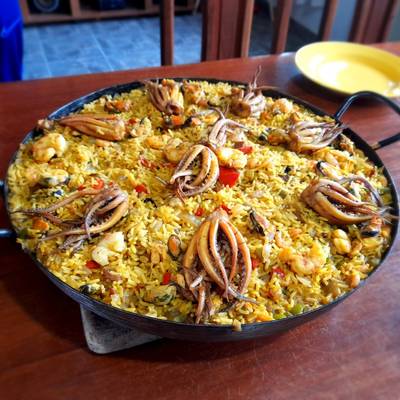
Paella de Marisco (Seafood Paella): This is the classic, the showstopper. Think succulent prawns, mussels, clams, and sometimes even lobster, all swimming in a vibrant saffron-infused broth. A true feast for the senses!
-
Paella Valenciana (Valencian Paella): This is the OG, the original paella. Forget the seafood; this is all about land-based ingredients. Think rabbit, chicken, snails (yes, snails!), and green beans. It's a hearty, rustic dish with a rich history.
-
Paella Mixta (Mixed Paella): This is the happy medium, combining the best of both worlds. Seafood and meat mingle in a delicious harmony, offering a fantastically varied flavor profile.
Beyond the Basics:
There are countless variations, each region boasting its own unique twist. You might find Paella de verduras (vegetable paella), Paella negra (black paella, using squid ink), or even Paella de carne (meat paella) with chorizo and other cured meats. The possibilities are endless!
The Holy Trinity: Rice, Broth, and Saffron
Now, let's talk about the core ingredients that make or break your paella.
1. Rice: Short-grain is King!
Forget long-grain rice; paella demands short-grain rice, specifically Bomba or Calasparra. These varieties absorb liquid beautifully, resulting in that perfect, slightly firm texture.
2. Broth: The Flavor Foundation
A good broth is the secret weapon. Don't skimp on this! Use a flavorful fish stock for seafood paella, or a chicken and vegetable stock for the Valenciana or Mixta. Homemade is best, but a high-quality store-bought version will do in a pinch.
3. Saffron: The Golden Touch
Saffron is the star of the show, lending that iconic golden hue and a subtle, earthy flavor. Don't be afraid to use a generous pinch – it's worth the splurge!
Equipment Essentials: More Than Just a Pan
You'll need the right tools for the job. A paella pan is ideal, but a wide, shallow pan will also work. Don't forget a sturdy spatula for stirring and a good quality wooden spoon.
A Step-by-Step Guide to Paella Perfection: Seafood Edition
Let's make some magic! Here's a recipe for a classic Paella de Marisco.
Ingredients:
- 1 tbsp olive oil
- 1 onion, chopped
- 2 cloves garlic, minced
- 1 red bell pepper, chopped
- 1 cup short-grain rice
- 4 cups fish stock
- 1 tsp saffron threads
- 1/2 cup dry white wine
- 1 lb mussels, scrubbed
- 1 lb clams, scrubbed
- 1 lb prawns, peeled and deveined
- Salt and pepper to taste
- Fresh parsley, chopped (for garnish)
Instructions:
- Heat the olive oil in your paella pan over medium heat. Add the onion and cook until softened.
- Add the garlic and bell pepper and cook for another 2-3 minutes.
- Stir in the rice and cook for 1 minute, coating it with the oil and vegetables.
- Pour in the white wine and let it evaporate.
- Add the fish stock and saffron threads. Bring to a boil.
- Reduce heat to low, cover, and simmer for 15 minutes.
- Add the mussels and clams. Cover and cook for another 5 minutes, or until they open. Discard any that don't open.
- Add the prawns and cook for 2-3 minutes, or until pink and cooked through.
- Season with salt and pepper to taste.
- Garnish with fresh parsley and serve immediately.
Troubleshooting Your Paella: Common Mistakes and How to Avoid Them
Soggy Rice?
This is the paella killer! Make sure you're using the right type of rice and don't overcook it. Also, ensure your broth is flavorful but not too watery.
Burnt Rice?
Keep a close eye on the heat. Medium-low heat is key to prevent burning. Stir occasionally, but don't overdo it.
Bland Flavor?
Don't skimp on the saffron, and make sure your broth is flavorful. Season generously with salt and pepper.
Beyond the Basics: Advanced Paella Techniques
Socarrat: The Crispy Bottom
The socarrat is the prized, crispy layer of rice at the bottom of the pan. It’s a sign of paella perfection! To achieve it, increase the heat slightly towards the end of cooking.
Paella Presentation: Making it Instagram-Worthy
A beautiful paella is half the battle! Serve it directly from the pan, garnished with fresh herbs. Consider adding a lemon wedge for extra zing.
FAQs: Your Paella Questions Answered
Q: Can I make paella ahead of time? A: It's best served fresh, but you can prepare the ingredients in advance.
Q: What kind of wine should I use? A: A dry white wine, such as Sauvignon Blanc or Pinot Grigio, works well.
Q: Can I substitute ingredients? A: Yes, feel free to adapt the recipe to your liking.
Conclusion: Embrace the Paella Adventure!
So there you have it! Your comprehensive guide to conquering the art of paella. Don't be intimidated; with a little practice, you'll be creating delicious, authentic paella in no time. So get cooking, and enjoy the journey! Remember, the most important ingredient is your passion for good food and fun! ¡Buen provecho!