Índice
- Ceviche Recipe in English: A Culinary Adventure from the Heart of Latin America
- Understanding the Magic: What is Ceviche?
- The Classic Peruvian Ceviche Recipe: A Step-by-Step Guide
- Beyond the Basics: Exploring Ceviche Variations
- Serving Suggestions: Elevate Your Ceviche Experience
- Safety First: Handling Raw Fish Responsibly
- FAQs: Your Ceviche Questions Answered
- Troubleshooting Your Ceviche: Common Issues and Solutions
- Conclusion: Dive into the Deliciousness of Ceviche!
Ceviche Recipe in English: A Culinary Adventure from the Heart of Latin America
¡Hola, amigos amantes de la comida! Prepare yourselves for a culinary journey south of the border, where the sun shines bright, the music is vibrant, and the flavors… oh, the flavors! We're diving headfirst into the world of ceviche, a vibrant and refreshing seafood dish that's as captivating as it is delicious. Forget everything you think you know about "cooked" seafood; this is a raw fish fiesta that will tantalize your taste buds and leave you craving more. This isn't just a recipe; it's an experience!
Understanding the Magic: What is Ceviche?
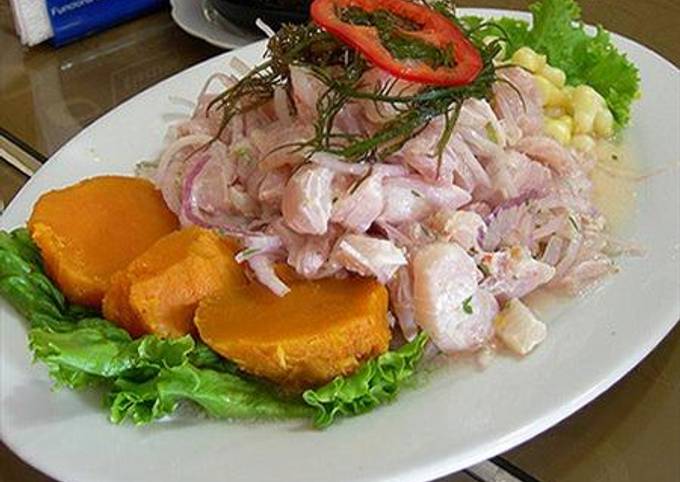
Ceviche (pronounced seh-VEE-chay) is a traditional Latin American dish, particularly popular in coastal regions of Peru, Mexico, Chile, and Ecuador. It's essentially a "cooked" seafood dish, but the "cooking" happens through a process called marination, where the fish is "cooked" in citrus juices, typically lime or lemon. This acidic bath "cooks" the fish by denaturing the proteins, resulting in a firm, opaque texture. But don't worry, it's incredibly safe when made correctly with fresh, high-quality fish!
The Key to Ceviche Success: Freshness First!
This cannot be stressed enough: the success of your ceviche hinges entirely on the freshness of your seafood. Use only the freshest, highest-quality fish you can find. If you're unsure about the freshness, don't risk it! Look for firm, bright-eyed fish with no unpleasant odor.
Choosing Your Fish: A Guide to Ceviche-Friendly Species
While many types of fish can be used, certain species lend themselves particularly well to ceviche. Some excellent choices include:
- Sea bass: Its delicate flavor and firm texture make it a classic ceviche choice.
- Snapper: Another popular option, snapper offers a slightly sweeter taste.
- Corvina: This firm, white-fleshed fish is a favorite in many Latin American countries.
- Shrimp: For a twist, shrimp ceviche is equally delicious and offers a different texture.
The Classic Peruvian Ceviche Recipe: A Step-by-Step Guide
This recipe is a jumping-off point. Feel free to experiment and add your own personal touch!
Yields: 4 servings
Prep time: 20 minutes
Marinating time: At least 30 minutes (longer is better, up to 2 hours)
Ingredients:
- 1 pound (450g) very fresh white fish fillet (sea bass, snapper, or corvina), cut into ½-inch cubes
- 1 ½ cups fresh lime juice (about 8-10 limes)
- ½ cup finely chopped red onion
- ½ cup finely chopped cilantro
- 1 jalapeño pepper, seeded and minced (optional, adjust to your spice preference)
- 1/2 cup chopped sweet red bell pepper
- Salt and freshly ground black pepper to taste
- 1/4 cup chopped avocado
- Saltine crackers or cancha (toasted corn kernels) for serving
Instructions:
- Prepare the fish: Make sure the fish is impeccably clean and cut into uniformly sized cubes. The even size ensures consistent “cooking.”
- Marinate the fish: In a non-reactive bowl (glass or ceramic are best), gently combine the fish cubes with the lime juice. Ensure the fish is completely submerged. Cover and refrigerate for at least 30 minutes, or up to 2 hours. The longer it marinates, the “firmer” it will become.
- Prepare the other ingredients: While the fish marinates, finely chop the red onion, cilantro, jalapeño (if using), and red bell pepper.
- Combine and season: Once the fish is adequately marinated, gently drain off excess lime juice (reserve some if you want a thinner ceviche). Add the red onion, cilantro, jalapeño, and bell pepper to the fish. Season generously with salt and freshly ground black pepper.
- Serve: Gently stir to combine. Serve immediately, garnished with avocado slices and accompanied by saltine crackers or cancha.
Beyond the Basics: Exploring Ceviche Variations
The beauty of ceviche lies in its versatility. Let's explore some exciting variations:
Spicy Ceviche: Adding a Kick!
For a spicier ceviche, add more jalapeño, or experiment with other chili peppers like serrano or aji amarillo.
Aji Amarillo Ceviche: A Peruvian Delight
Aji amarillo paste adds a unique, smoky sweetness and bright yellow hue.
Mixed Ceviche: Seafood Extravaganza
Combine different types of seafood, such as shrimp, scallops, and octopus, for a truly decadent ceviche experience.
Serving Suggestions: Elevate Your Ceviche Experience
Serving your ceviche with the right accompaniments is key to a truly unforgettable experience. Consider these options:
- Cancha: Toasted corn kernels add a delightful crunch.
- Sweet potato: Roasted sweet potato offers a contrasting sweetness.
- Choclo: Boiled corn on the cob provides a refreshing counterpoint.
- Chifles: Thinly sliced fried plantains add a savory crunch.
Safety First: Handling Raw Fish Responsibly
Remember, the key to safe ceviche is using extremely fresh fish. If you have any doubts about the freshness, do not consume it. The high acidity of the lime juice helps to inhibit bacterial growth, but it's not a foolproof method. Always err on the side of caution.
Preventing Foodborne Illness: Best Practices
- Choose your fish wisely: Opt for fresh, high-quality fish from reputable sources.
- Properly store your fish: Refrigerate immediately after purchasing and use as soon as possible.
- Thoroughly clean your equipment: Use clean cutting boards and utensils.
FAQs: Your Ceviche Questions Answered
Q: Can I use frozen fish for ceviche? A: No, frozen fish is not recommended for ceviche. The freezing process can affect the texture and flavor of the fish.
Q: How long can I store leftover ceviche? A: Leftover ceviche should be refrigerated and consumed within 24 hours.
Q: Can I use other citrus fruits instead of lime? A: Yes, you can use lemon or a combination of lime and lemon, but lime is traditionally preferred for its vibrant flavor.
Q: What if my fish isn't fully "cooked" after marinating? A: If the fish is still translucent or doesn't have a firm texture after marinating, discard it and start again with fresher fish.
Q: Can I make ceviche ahead of time? A: Yes, you can marinate the fish ahead of time, but it's best to add the other ingredients just before serving to maintain optimal freshness and flavor.
Troubleshooting Your Ceviche: Common Issues and Solutions
Problem: Fish is too soft. Solution: Use fresher fish and marinate for a longer period.
Problem: Fish is too acidic. Solution: Reduce the amount of lime juice or add a small amount of water to the marinade.
Problem: Fish smells off. Solution: Do not use the fish. Discard it and get fresh fish.
Conclusion: Dive into the Deliciousness of Ceviche!
So there you have it – a comprehensive guide to creating the perfect ceviche! Remember, the key is freshness, high-quality ingredients, and a touch of adventurous spirit. Don't be afraid to experiment with different flavors and variations. With a little practice, you'll be crafting restaurant-quality ceviche in your own kitchen. ¡Buen provecho! Now go forth and conquer the world of ceviche, one delicious bite at a time!